Computer vision. Patent application published.
FitForm: a camera-based coach for exercise form.
Pose estimation that counts repetitions and evaluates form while a person trains. It started with a personal question: could the same computer-vision tools used for detection become useful feedback during an ordinary workout?
Overview
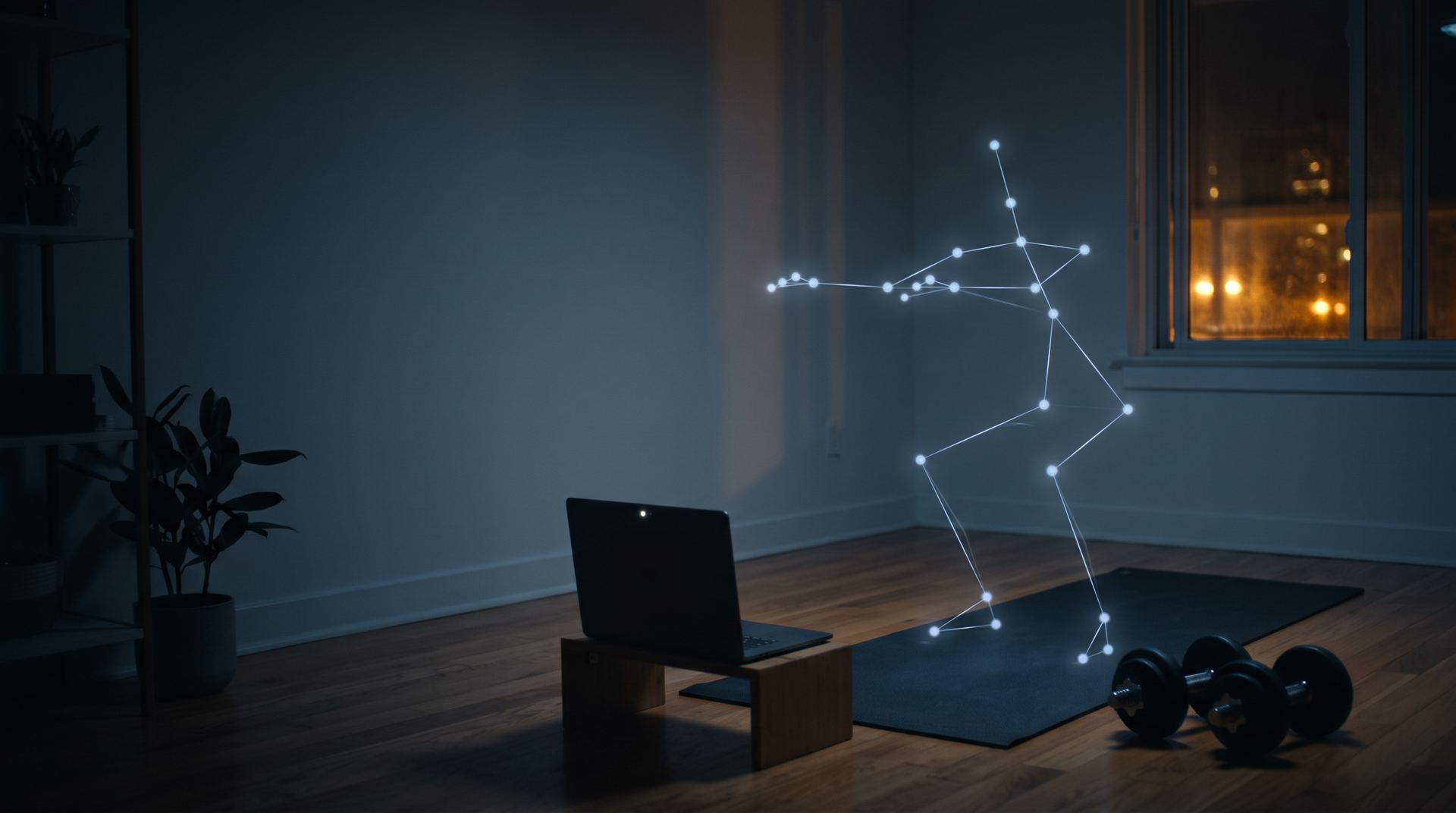
A repetition counter can tell someone how much they moved, but not whether the movement was safe or effective. FitForm follows 33 body landmarks from a standard camera, turns them into joint relationships for each exercise, and checks those measurements against form rules while the user trains.
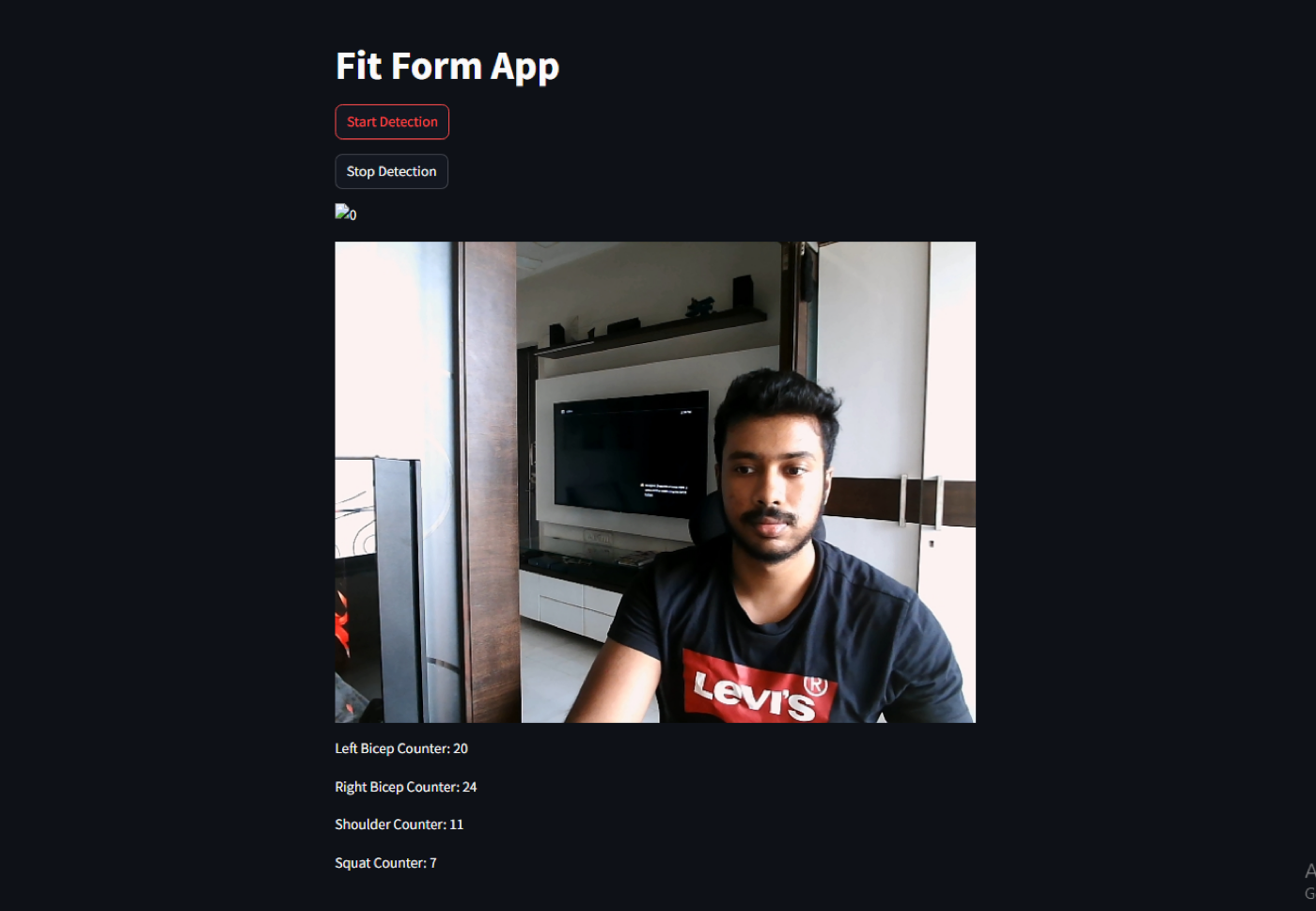
It supports posture-aware counting for movements such as squats, curls and presses. A repetition only counts when the motion completes the required range, so a half-squat or a swinging curl does not inflate the number. The work led to Indian patent application 202421099595, published on 17 January 2025, with me as a co-applicant.
How it works
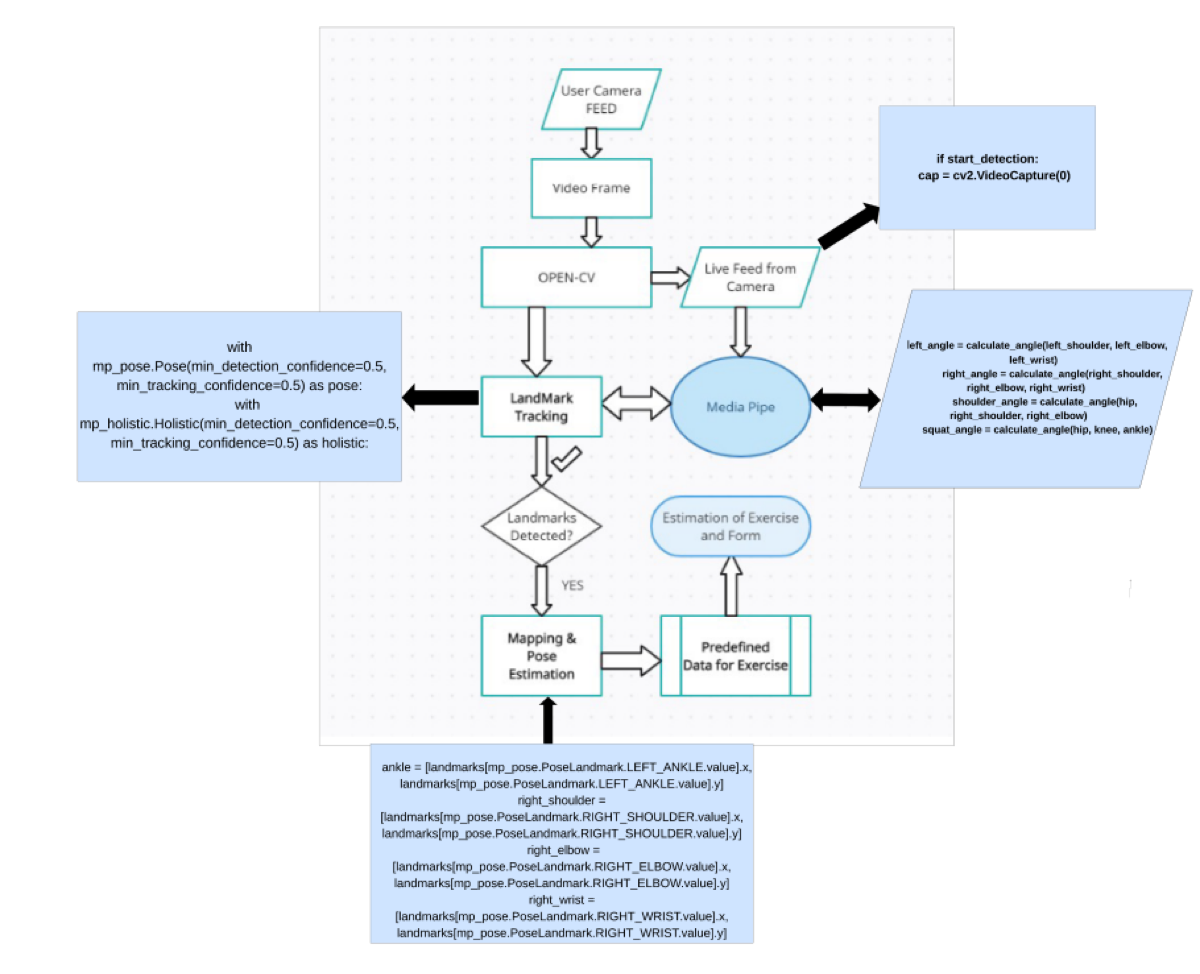
- Pose estimation. MediaPipe's BlazePose returns 33 body landmarks per frame from an ordinary webcam, fast enough to run on CPU.
- Joint angles. Relevant landmark triplets become angles every frame: hip-knee-ankle for squats, shoulder-elbow-wrist for curls.
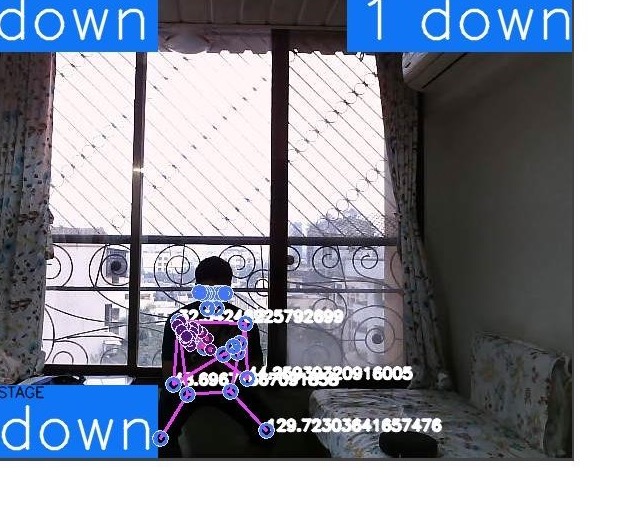
- State machine per exercise. Angles drive an up/down stage detector, and a rep counts only on a full cycle that stays inside the posture thresholds.
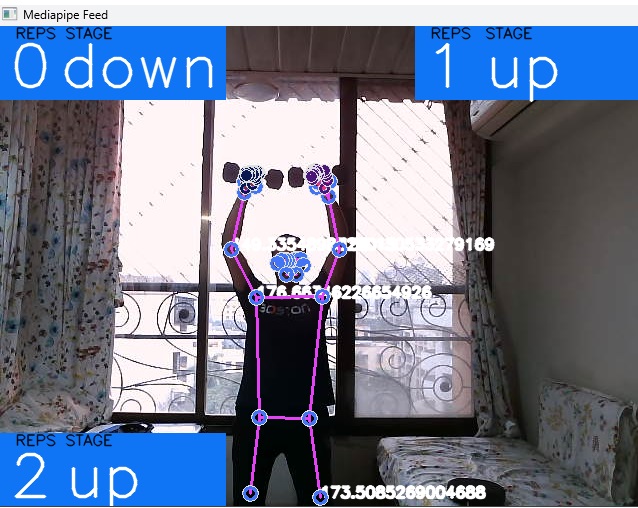
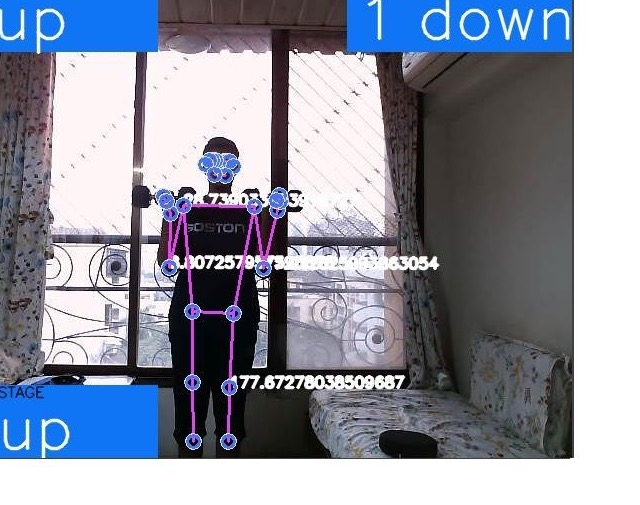
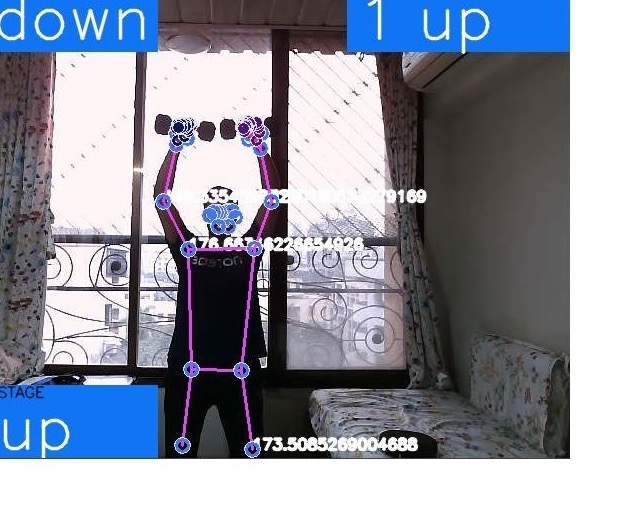
- Live correction. OpenCV overlays the skeleton, stage, angle and counters directly on the video so form can be fixed mid-set.
- Steady under real conditions. Confidence filtering and temporal smoothing keep it at 25 FPS on a laptop CPU and cut false rep counts by 30% across 120 annotated clips, including fast and partly hidden movements.
- Session logging. Counts per exercise are collected with Pandas for review after the workout.
Results
What I learned
FitForm changed how I think about applied computer vision. Detection alone was not the product. The useful part was translating landmarks into feedback a person can act on in the middle of a movement.
It also taught me that thresholds are a design decision, not a constant. Too strict and honest reps go uncounted; too loose and the counter stops meaning anything.
Gallery